How Creators Earn Daily Income Through Facebook Reels Engagement
How Creators Earn Daily Income Turn Facebook Reels Engagement Into Daily Income
The concept of daily income has taken off in the digital era. Rather than waiting on a biweekly paycheck, more people are building systems, skills, and platform-based strategies that put money in their pocket every single day. This isn’t a get-rich-quick scheme — it’s a repeatable process that rewards consistency and a solid grasp of how today’s platforms compensate creators for holding attention.
Facebook’s Growing Opportunity for Creators
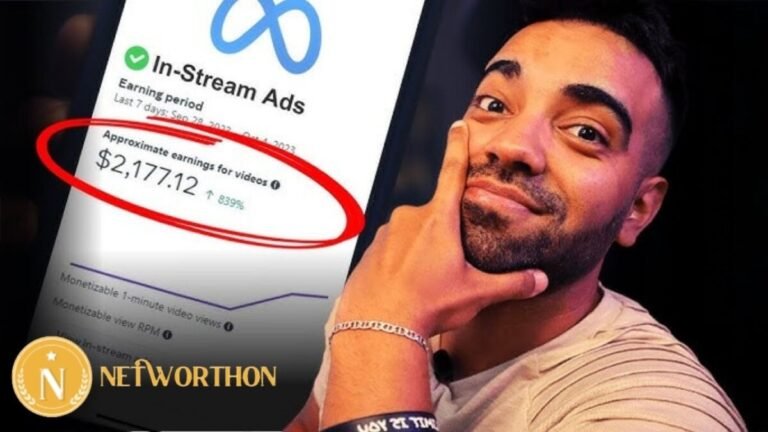
Facebook has quietly turned into one of the more lucrative platforms for content creators. Both brand-new pages and established ones are pulling in hundreds of dollars a day through the platform’s monetization tools. That naturally raises a question: why is Facebook so willing to pay creators well?
The answer comes down to time on platform. Facebook profits when people stay longer, so it rewards creators whose content keeps audiences scrolling, watching, and reacting. It’s a mutually beneficial arrangement — the longer users stick around, the more both Facebook and the creator earn.
What Actually Stops the Scroll
Facebook users fly through their feeds. Getting someone to pause requires content that grabs attention in an instant — a striking image, an unexpected twist, or something genuinely funny. Posts that trigger laughter or surprise tend to get shared with friends and family, which is precisely the kind of behavior Facebook’s algorithm is built to encourage. Even content that seems basic or lighthearted can take off. Once it lands in front of the right audience at scale, that same simple post can turn into hundreds or thousands of dollars in earnings.
Going Viral Isn’t Luck
Viral posts might look like they happened by chance, but there’s usually a deliberate strategy behind them. Pages that consistently perform well understand user behavior deeply. Facebook’s algorithm favors content that sparks engagement, and signals like comments, shares, and reactions tell the system to push a post out to a wider audience.
Understanding Facebook’s Audience
Facebook’s user base spans the globe, but behavior differs sharply across age brackets. One of the platform’s biggest groups is people between 25 and 35. This segment tends to browse passively — scrolling and reading without leaving comments or reactions. They’re often called “lurkers.”
Why Older Users Bring More Value
Older audiences interact far more actively. They leave comments, share posts, and forward content to people they know. They’re also more inclined to click outbound links and explore content beyond the platform. For creators chasing engagement and monetization, this older demographic is a goldmine.
What Makes an Ideal Facebook Audience
A strong target audience shares a few defining traits. It should be underserved — meaning not many creators are already producing content for it. It also needs to be highly engaged, since steady likes, comments, and shares are what drive page growth. Without that interaction, momentum stalls quickly.
Engagement, Opinions, and Spending Power
The best audiences also tend to have real purchasing power, which matters if the goal is driving traffic to a website or an offer. Another valuable trait is being opinionated — audiences that like to debate and share their views tend to comment more and boost a post’s visibility. As long as the conversation stays civil, that kind of engagement helps content spread even further.
How Content Actually Spreads on Facebook
Most of what shows up in a Facebook feed comes from friends, groups, and followed pages, with friend activity making up a large share of it. But friends don’t post viral content regularly, so Facebook fills the gap with unconnected content it predicts users will enjoy.
Why Reshares Matter So Much
Resharing is one of the most powerful signals in Facebook’s distribution system. Every reshare exposes a post to a completely new audience. A single post that gets reshared repeatedly can outperform dozens of standard posts combined — this is the real engine behind viral reach.
The Problem With Copying What Works
One of the biggest pitfalls on Facebook is oversaturation. As soon as a strategy proves successful, countless other pages rush to copy it. Over time, that repetition wears thin. As more creators chase the same formula, engagement — and earnings — start to decline.
Why Niche, Underserved Audiences Win Long-Term
The fix is targeting underserved niches: hobbies, interests, or communities that are passionate but largely ignored by other creators. When content reaches an audience that hasn’t been oversaturated with similar posts, Facebook rewards it with more reach. That keeps users engaged longer, which lines up perfectly with what Facebook wants.
What Facebook’s Transparency Data Reveals
Facebook’s own transparency reports show that most feed views come from posts without outbound links. The platform is built to prioritize content that keeps people on Facebook, which is part of why link-heavy posts often underperform.
What Content People Actually Engage With
The highest-viewed content tends to come from news, entertainment, and viral pages. The pages that perform best rely on clean visuals, simple text overlays, and short, easy-to-read captions. Engagement comes first — calls to action are saved for later.
Patterns From Top-Performing Pages
Large, successful pages follow consistent habits: they alternate between video and image content, keep captions tight, and train their audience to engage before anything else. When they do direct traffic off-platform, it’s done sparingly and with intention.
What Creators Can Learn From Proven Success
Studying pages that already work reveals what consistently performs: clean visuals, consistent formatting, and deliberate audience conditioning. Winning on Facebook isn’t about posting at random — it’s about understanding people, demographics, and how attention flows through the platform.
TikTok: A Social Platform Built for Short-Form Creativity
TikTok remains one of the top platforms for creators skilled in short-form video. In early 2024, TikTok retired its original Creator Fund and the short-lived Creativity Program Beta, replacing both with the Creator Rewards Program.
This shift changed how TikTok pays creators. Instead of favoring quick, trend-driven clips, the platform now leans toward high-quality, original, longer-form videos that hold viewers’ attention.
To join the Creator Rewards Program, creators need at least 10,000 followers, must be 18 or older, and have to consistently post original videos over one minute long that drive meaningful engagement. Beyond video payouts, creators can also earn through Live Gifts — virtual gifts sent by viewers during livestreams that can later be cashed out.
To get the most out of the program, focus on producing original videos that keep viewers watching past the one-minute mark. Retention and watch time are now central to TikTok’s payout model, making strong storytelling more valuable than ever.
How Much Does Facebook Pay per 1,000 Reels Views?
There’s no set rate for Facebook Reels views because payouts depend on factors like audience location, engagement rate, watch time, and which monetization tools are active on the account. On average, creators report earning somewhere between $0.01 and $0.10 per 1,000 views through programs like Ads on Reels or performance bonuses, though this can climb higher for engaged audiences in premium ad markets. Ultimately, Facebook rewards Reels that hold attention and spark interaction — quality and engagement matter more than raw view counts.
Frequently Asked Questions
What does earning daily income mean? It means generating money consistently, typically through online platforms, digital content, or scalable systems that produce earnings every day rather than weekly or monthly.
Is it actually possible to earn daily income online? Yes, but it takes consistency, the right strategy, and time to build. Most people who succeed rely on platforms that reward engagement, content performance, or repeat activity.
How long does it take to start earning daily income? It varies widely. Some see small earnings within a few weeks; others take months. Daily income typically grows gradually as content, skills, or systems gain traction.
What are the best ways to earn daily income? Popular approaches include content creation, platform monetization programs, digital services, and performance-based online work. The most effective methods center on engagement and repeat visibility.
Do I need money upfront to earn daily income? Many daily income methods require little to no financial investment. They rely more on time, consistency, creativity, and understanding how platforms distribute and reward content.
Can beginners earn daily income? Yes. Beginners can succeed by staying consistent, picking the right niche, and focusing on learning. Most successful earners start small and improve steadily over time.
Conclusion
Earning daily income isn’t about shortcuts or overnight wins — it’s about building consistent systems that create real value over time. With the right mindset, patience, and strategy, daily income becomes achievable through steady effort, audience understanding, and smart use of digital platforms. Success comes down to focusing on engagement, sharpening skills, and staying committed even when early results are modest. As consistency builds, so does income, eventually turning daily earnings into a reliable, sustainable source of financial stability.